Storage Belgravia for house moves, office relocations and careful removals in Belgravia

Storage Belgravia provides practical moving support in Belgravia for homes, flats and workplaces that need items handled with care and organised from one step to the next. Our main work covers house removalists, office relocation services and related moving support, so customers can arrange a move without trying to coordinate every part themselves. If you are planning a full property move or only need selected items shifted, the service can be shaped around the load, access and timing.
We also support customers who want a more flexible approach than a full vehicle and crew booking. That includes smaller household moves, furniture collection, loading help and straightforward transport where the task is too involved for a simple van hire but does not call for a large-scale relocation. For a clearer overview of the moving work available, see our commercial moving support and the related home moving service pages.
Tell us what needs moving, where it is going and what access is available, and we can help you work out the most suitable option. Request a quotation when you are ready, or keep reading to compare the service types that may suit your plan.
Domestic removals and household moving support
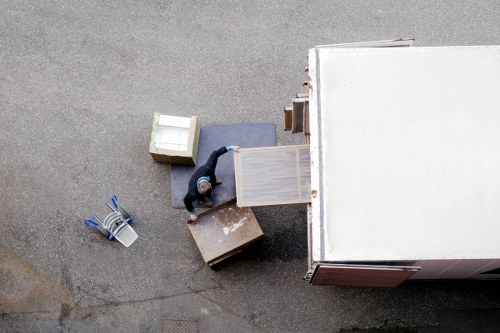
House moves often involve more than carrying boxes from one property to another. Furniture can need dismantling and reassembly, fragile items may need extra wrapping, and access can vary between a ground-floor flat, a townhouse and a property with shared entry arrangements. Our house removalists service is intended for this kind of work, with attention given to the practical sequence of loading, transport and unloading rather than a rushed single-step collection.
For many domestic customers, the key decision is how much help they want at each stage. Some prefer support with the heavier furniture and awkward items only, while others need a more complete moving arrangement that includes packing support and careful handling of mixed contents. Our packing and unpacking services are useful where boxes, kitchenware or breakables need extra organisation before the move and sensible sorting afterwards.
How household moves are handled
We aim to keep the process straightforward by matching the moving plan to the property and the load. That can mean planning around parking restrictions, keeping routes clear inside the home, and separating items that require different handling. A sensible move is usually the one that protects the contents, keeps the timing manageable and avoids unnecessary lifting or back-and-forth trips.
Flexible transport for smaller loads and single items

Not every job needs a full removals crew, and not every customer wants to hire a large vehicle when a lighter arrangement would do. Our man and van and man with van options are suited to smaller moves, one-off collections and practical transport where an extra pair of hands makes the difference. These services are often chosen for furniture, boxed belongings and short-notice logistics that still need careful handling.
Customers sometimes use this type of service for separate parts of a bigger plan: moving the larger items first, collecting purchases from another address, or shifting contents between storage and a home or office. Where the load is lighter but the items are valuable or awkward, the benefit is not simply vehicle space; it is the combination of transport and handling support in one arrangement. For those cases, a smaller vehicle can still be the right tool when the job is planned properly.
If you are unsure whether a smaller transport option or a fuller moving service is more suitable, start by listing the main items and the approximate access at each address. That makes it easier to recommend the right approach and avoid paying for more capacity than the work requires. You can ask for a quotation once the basic details are clear.
Office relocations and commercial moving work

Office relocations need different planning from domestic removals because business equipment, files and furniture often have to be handled around working hours, building access rules and the need to keep disruption under control. Our office relocation services cover the moving side of that process, helping businesses relocate desks, chairs, storage units and other workplace contents in a structured way. The aim is to keep the transfer orderly so the destination can be set up without avoidable confusion.
Commercial moves may also include a combination of general furniture transport and more focused items such as archive boxes, meeting room furniture or reception pieces. In some cases, the best option is to move in stages rather than all at once, especially when different areas of the office are being changed over separately. That approach helps customers protect priority equipment and keep the move aligned with their own schedule.
What businesses usually need to decide
It is useful to think about which items must move together, which can be packed in advance, and what access points are available at both properties. Those decisions affect the loading order, the size of the vehicle and the time needed on site. For many organisations, a well-planned move is less about speed alone and more about keeping the relocation controlled from start to finish.
Furniture collection, disposal support and transport options
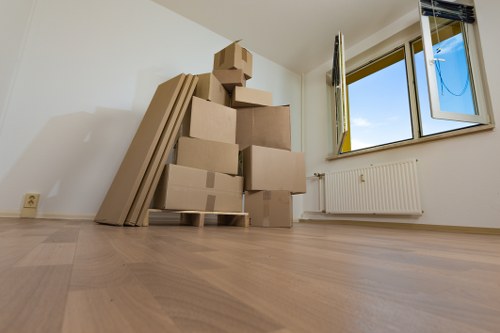
Alongside move day support, we can help with individual furniture pieces that need collecting or moving on their own. Our furniture pick-up service is relevant when a sofa, bed, table or cabinet needs to be removed from one place and taken to another address or handled as part of a wider move. This is especially useful where a single bulky item is the main obstacle and the rest of the household or office is already arranged.
Some customers also need a vehicle-only solution for larger pieces, temporary transfer or storage-related movement. In those situations, moving truck and removal truck hire pages explain the transport side of the work, while the actual choice depends on the load, the number of items and whether extra handling help is needed. A truck is not always necessary, but when it is, the correct vehicle size matters.
For bulky or irregular items, the main concern is safe handling rather than simply getting them from A to B. Good preparation means measuring the item and checking the route, because doors, stairs and corners can affect the plan just as much as the weight. If you want to arrange a quotation, a short description of the items is usually enough to begin.
Planning the move, access and packing details
Most moving work becomes easier when the key practical details are clear in advance. That includes the number of rooms or workstations involved, whether there are stairs or lifts, and whether parking is close enough for loading. For mixed loads, it also helps to note any fragile pieces, awkward furniture or items that should be kept separate. These details allow the move to be planned around the real conditions of the property rather than assumptions.
We are often asked how much preparation is sensible before a removal. A simple answer is that the more clearly items are grouped, labelled or separated by destination, the smoother the loading stage tends to be. You do not need to overcomplicate it; a basic inventory, a few photographs if helpful, and a note about access at both ends can be enough for a useful quotation. If you are ready to move forward, send the details for a quote.
Some customers prefer to keep packing and transport together, while others want a more segmented arrangement with preparation completed beforehand. Either approach can work, provided it matches the nature of the items and the time available. The point is to keep the job realistic, so the move remains manageable and there are no surprises when the vehicle arrives.
Commercial relocations and workplace logistics
When a business moves, the schedule matters as much as the contents. Office furniture, IT-related equipment and storage materials all need to be handled in a way that fits the premises and the business routine. Our commercial moving work supports relocations where a measured approach is preferred, and where the move needs to be organised around access, floor layouts and the order in which equipment should be put back into use.
Some commercial customers need a single relocation date, while others prefer phased movement to limit disruption. That might involve taking away redundant furniture first, moving active work areas later, and leaving the most sensitive items until the destination is ready. If your plan includes several linked tasks, it can help to look at the broader scope on our commercial moving support page, then decide whether a dedicated office move or a smaller transport booking is the better fit.
Where buildings have tight loading arrangements or shared access points, the move often works best when the route is thought through in advance. This is not about overcomplicating the process; it is about making sure the right vehicle, lifting support and sequence are chosen for the site. A careful plan reduces wasted effort and helps the relocation stay within a practical timescale.
About Belgravia
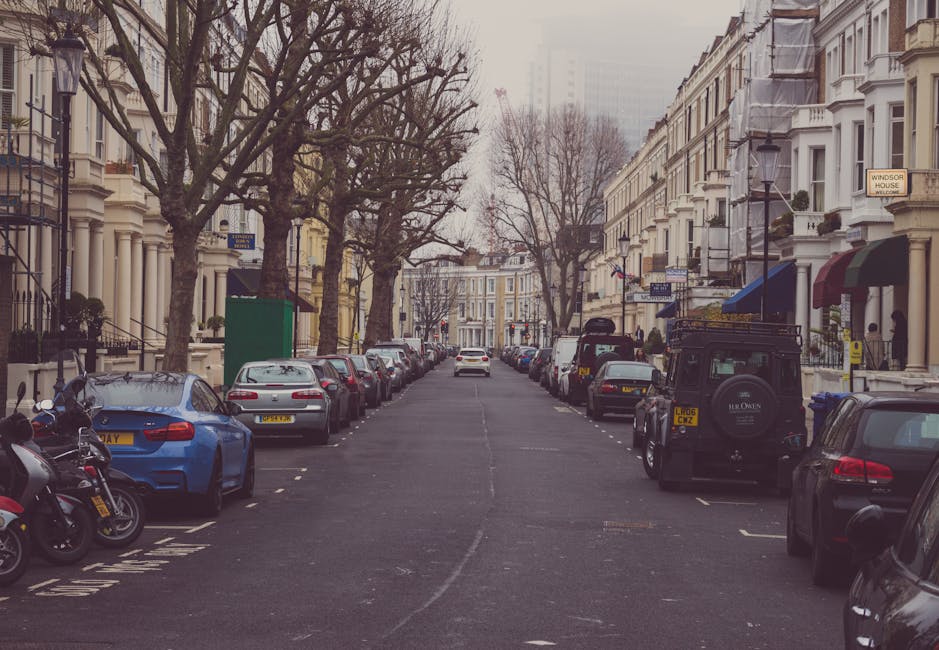
Belgravia is a district in central London known for its formal square layout, stucco terraces and long association with grand residential development. Much of the area was laid out in the nineteenth century under the Grosvenor family's estate management, and its streets are still closely identified with that planned Georgian and Regency character. Eaton Square and Belgrave Square are among the best-known open spaces, while the surrounding streets contain elegant terraces, embassies and institutions that reflect the district's historic status. The area sits close to Buckingham Palace, Hyde Park and Knightsbridge, which places it within a dense part of the West End where major landmarks, parks and shopping streets are all within a short distance. The neighbourhood also includes pockets with quieter residential character, giving it a contrast between ceremonial grandeur and everyday city life. Its architecture is one of the clearest reasons Belgravia is so distinctive: repeated terraces, consistent building lines and carefully proportioned façades create a sense of order that has been preserved through later conservation. Although the area has changed over time, its streets still express the original pattern of squares, crescents and garden spaces that shaped the district's identity.
Choosing the right moving option
The best moving arrangement is usually the one that fits the actual job rather than the largest or most obvious option. A household relocation may be better served by a full removal team, while a furniture collection or light move may only need a smaller vehicle with handling support. Commercial work sits somewhere in between, depending on how much equipment must be shifted and how much disruption can be tolerated. Matching the service to the task keeps the plan efficient and avoids unnecessary complexity.
It is also worth considering whether packing support, transport-only help or a combined arrangement makes the most sense. For example, if the contents are already boxed and ready, the focus can stay on carrying and transport; if not, packing and unpacking may remove a great deal of pressure from the moving day itself. Whatever the shape of the job, we work with the practical details so the service remains clear from the outset. You can request a quotation once the main items and access points are known.
For customers comparing options, the simplest rule is to start with the most awkward part of the move: the heaviest furniture, the most delicate items or the most difficult access. Once that is understood, the rest of the booking usually becomes easier to plan. If the move involves several linked tasks, we can help you decide where the support is most useful and where a lighter-touch approach will do.
Quote preparation and moving day details
To prepare a quotation, it helps to provide a short, accurate summary of the move rather than a long explanation. The most useful points are the type of property, the number of large items, any stairs or lifts, and whether there are parking limits or access restrictions. If you know the approximate date or time window, include that as well. These basics are usually enough to identify whether the job is best handled as a domestic removal, an office move or a smaller transport booking.
There is no need to overstate the scale of the move or guess at every detail. A sensible summary is better than an incomplete checklist, and we can work from the information you have. Where helpful, a list of key items keeps the quotation process clearer, especially if the load includes furniture requiring care or items that need separating from the rest of the contents. Get in touch for a quotation when you are ready.
If you would rather discuss the move before sending a full inventory, that is fine as well. A short conversation can identify the right service type, after which the practical details can be confirmed and the move arranged in a way that suits the job. The aim is always to make the next step easier, not to add extra administration.