Belgravia Removals: Applying for Temporary Parking Suspensions
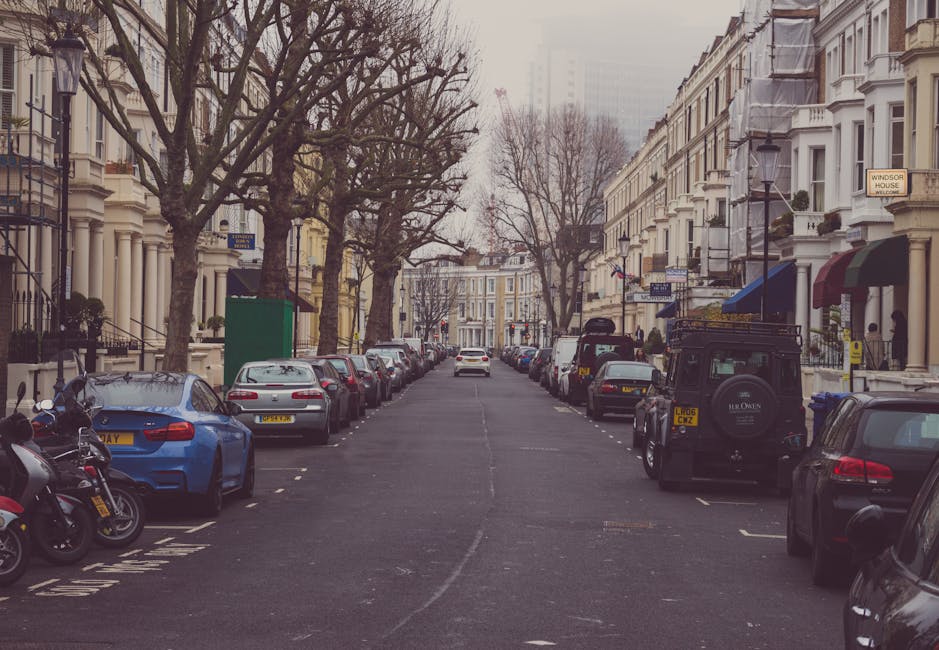
If you are moving in or around Belgravia, parking is often the part that turns a tidy plan into a stressful one. Narrow streets, resident bays, loading restrictions, and the simple fact that a removal van is not a tiny car can all create problems fast. That is where Belgravia Removals: Applying for Temporary Parking Suspensions becomes more than a box-ticking exercise. Done properly, it helps create the space your move needs, keeps the day moving, and reduces the odds of last-minute chaos. In practice, it can be the difference between a smooth lift-and-load and a long, awkward wait while someone circles the block. Not ideal, really.
This guide explains what a temporary parking suspension is, why it matters for removals, how the process usually works in a London setting, and what to watch out for before moving day arrives. You will also find a checklist, a comparison table, a realistic example, and some straight-talking advice based on the way these moves tend to unfold in the real world.
- Why it matters
- How it works
- Key benefits
- Who needs it
- Step-by-step guidance
- Expert tips
- Common mistakes
- Tools, resources and recommendations
- Law, compliance and best practice
- Options and comparison
- Real-world example
- Practical checklist
- Conclusion
- Frequently asked questions
Why Belgravia Removals: Applying for Temporary Parking Suspensions Matters
Belgravia is beautiful, orderly, and famously awkward for large vehicles. That is not a criticism; it is just the reality of moving in a dense central London neighbourhood where kerb space is precious. When you need a removal truck, a man and van, or a furniture pick-up service, you often need more than just a driver and a set of keys. You need a legal, workable place for the vehicle to stop.
A temporary parking suspension is essentially a short-term restriction that keeps a bay or section of road clear for a specific purpose. For removals, that usually means making space for loading and unloading so the vehicle can park close enough to the property. Without that, the crew may have to carry heavy items farther than planned, work around traffic, or split the job into several awkward trips. None of that helps anyone.
Why does this matter so much in Belgravia specifically? Because time and access are everything. A few extra metres can turn into a lot of extra labour. A van parked too far away can slow down a home move, an office relocation, or a furniture delivery. If you are using home moving support or arranging a full-scale shift through house removalists, the parking plan should sit right at the centre of the move plan, not as an afterthought.
Practical takeaway: in Belgravia, parking access is not a side issue. It is often one of the main things that determines whether your move feels organised or unnecessarily difficult.
Table of Contents
- Why Belgravia Removals: Applying for Temporary Parking Suspensions Matters
- How Belgravia Removals: Applying for Temporary Parking Suspensions Works
- Key Benefits and Practical Advantages
- Who This Is For and When It Makes Sense
- Step-by-Step Guidance
- Expert Tips for Better Results
- Common Mistakes to Avoid
- Tools, Resources and Recommendations
- Law, Compliance, Standards, or Best Practice
- Options, Methods, or Comparison Table
- Case Study or Real-World Example
- Practical Checklist
- Conclusion
- Frequently Asked Questions
How Belgravia Removals: Applying for Temporary Parking Suspensions Works
The exact process can vary by borough and local authority, but the general idea stays the same. You identify the location, the date, the time window, and the reason you need the suspension. Then the application is assessed, and if approved, the bay or restriction is temporarily adjusted so your vehicle can stop there legally.
For removals, this is usually tied to a single moving day or a short period around the move. You may need to plan for the vehicle size too. A smaller man-and-van option may need less kerb space than a larger vehicle from removal truck hire, but both still benefit from a clear stopping point. In Belgravia, where streets can be tight and traffic can be busy even when the morning feels calm, a parking suspension can save a surprising amount of hassle.
Most removals teams will ask for a few essentials before moving forward:
- the property address and exact loading location
- the moving date and estimated time window
- vehicle details or approximate vehicle size
- the type of move, such as domestic, office, or furniture-only
- whether there are existing restrictions, like residents' bays or pay-by-phone zones
Sometimes the job is straightforward. At other times, there may be nearby deliveries, double-yellow lines, or access constraints that need extra care. To be fair, this is where a removals company with local experience is worth its weight in boxes. They know that the best parking plan is not theoretical; it has to work at street level, with real traffic and real neighbours.
If you are moving a workplace rather than a home, the same principle applies. A coordinated parking arrangement is especially useful for commercial moves and office relocation services, where multiple people, boxes, IT equipment, and furniture may need a tight and timely load-out.
Key Benefits and Practical Advantages
People sometimes think temporary parking suspensions are just admin. They are not. They solve real operational problems. And once you have seen a move delayed because a van could not stop close enough to the front door, you start to appreciate the value pretty quickly.
Here are the main advantages:
- Shorter carry distances: heavy furniture, appliances, and boxed items can be moved more efficiently.
- Less disruption: the crew can work steadily rather than improvising around parked cars.
- Reduced risk of damage: fewer long carries mean fewer chances to bump walls, doors, or stair rails.
- Better time control: the vehicle is positioned where it needs to be from the start.
- Improved safety: less lifting over awkward distances usually means less strain and fewer accidents.
- Cleaner move-day coordination: everyone knows where the vehicle will be and when.
There is also a quieter benefit that matters a lot in real life: peace of mind. You can spend the night before the move actually preparing your belongings rather than wondering whether the van will have somewhere legal to stop. That sounds small. It is not.
For some customers, the difference is especially noticeable when they are combining packing support with transport. If you are already using packing and unpacking services, the whole move tends to run more smoothly when access is equally organised. The loading rhythm improves. The day feels less like a scramble and more like a sequence.
Who This Is For and When It Makes Sense
Temporary parking suspensions are useful for far more than large house moves. In Belgravia, they can make sense for a wide range of situations where a vehicle needs direct access to the property.
You are likely to benefit if you are:
- moving out of a flat, townhouse, or mews property with limited kerb space
- relocating an office or workspace with furniture and equipment to move
- arranging a one-off furniture collection or delivery
- booking a van for bulky items that are hard to carry from far away
- moving on a day when access is likely to be tight because of other traffic or road use
It is also sensible for smaller jobs, not just the big ones. A sofa, wardrobe, or dining table can be awkward enough to justify proper parking arrangements. If you are only moving a few pieces, a service such as furniture pick-up or man with van support may still need a clear spot close to the entrance.
For business customers, this becomes even more important when timing is tight. A delayed lorry or an illegally parked van can throw off a whole day's work. And let's face it, nobody wants half a reception area sitting on the pavement while someone tries to figure out where the vehicle can legally stand.
Step-by-Step Guidance
If you are approaching this for the first time, keep the process simple. You do not need to make it complicated. You just need to be accurate, early, and clear.
- Confirm the move date and time window. Do this early. Even a rough schedule is better than nothing, because parking arrangements usually depend on the exact day and likely duration.
- Assess the street layout. Look at the property frontage, the nearest bay, any loading restrictions, and whether a larger vehicle can actually fit where you expect it to stop.
- Decide what vehicle will be used. A smaller van, a medium moving truck, or a larger removal vehicle may all require different access planning. If you are not sure, ask before assumptions harden into problems.
- Gather the application details. This often includes the address, contact details, vehicle information, and the reason for the suspension.
- Check lead times. Applications are often not instant. The safest route is to plan well ahead rather than hoping everything can be arranged at the last minute.
- Coordinate with your removals team. Make sure the parking plan matches the actual loading plan. If your crew is arriving in separate runs, say so.
- Keep evidence and confirmation together. Save the approval details, reference number, or any written confirmation in one place so it can be found quickly on the day.
- Prepare the loading area. Remove obstacles, tell neighbours if appropriate, and keep the entrance clear. A clear doorway can matter as much as the parked vehicle itself.
Here is the plain-English version: the more your parking plan matches the actual move, the less chance there is of last-minute juggling. Simple. Not always easy, but simple.
If you are arranging a move that uses a dedicated vehicle, moving truck hire can be the right fit, but only if access is planned with care. Bigger vehicle, bigger consequences if the stopping point is wrong. That is the trade-off.
Expert Tips for Better Results
Over the years, one pattern shows up again and again: the moves that run well are rarely the ones with the fanciest equipment. They are the ones with the best preparation. A few practical habits make a real difference.
- Book the parking plan before the packing panic starts. The last two days before a move are always messy. If you leave the parking arrangement until then, you are already on the back foot.
- Measure access, not just the room list. A beautiful inventory means little if the vehicle cannot get close enough to the front door.
- Match the vehicle to the property. A compact van can sometimes be a better choice than a larger lorry for central London streets. Bigger is not always better. Annoying, but true.
- Keep the load order sensible. Items needed first at the new property should be easier to reach in the vehicle.
- Plan for weather and delays. A wet morning, a school run, or a road works hold-up can turn a neat schedule into a slow one pretty quickly.
- Leave a buffer. If your move feels like it will take exactly four hours, plan as though it may need five. That little cushion helps more than people expect.
And one more thing: if the move involves something delicate or unusually heavy, do not assume a parking suspension alone solves everything. It helps access. It does not replace good handling, proper packing, or the right number of hands on the job.
Common Mistakes to Avoid
Most problems are avoidable. That is the annoying part. They are usually small oversights that snowball because moving day is already busy.
- Leaving the application too late. This is the classic one. The move is booked, boxes are everywhere, and only then does someone ask about parking.
- Assuming the vehicle size does not matter. It absolutely does. A parking suspension that suits a van may not suit a larger truck.
- Forgetting about access at both ends. The pickup point and the delivery point both matter. If either one is poor, the day slows down.
- Not checking bay signage or local restrictions. Belgravia streets can be strict, and small details matter.
- Ignoring neighbour or building rules. Some properties have their own management requirements. Those can be just as important as street-level arrangements.
- Assuming one permit covers everything. That is rarely how it works.
There is also a subtler mistake: treating parking as separate from the rest of the move. In reality, it belongs in the same conversation as packing, route planning, vehicle choice, and timing. Once that clicks, things get easier.
Tools, Resources and Recommendations
You do not need a pile of complicated tools. What you do need is a tidy set of details and a practical way to keep them organised. A notebook, phone notes, or a simple moving folder can be enough if you keep it updated.
Useful things to have ready:
- the full property address and postcode
- the date and approximate move window
- vehicle registration or vehicle type if required
- a list of large items that may need direct kerb access
- building access instructions, if relevant
- contact details for the person coordinating the move
From a service perspective, different move types need different levels of support. If you are handling a household move, home moves and house removalists are typically the most relevant starting points. If the job is smaller or more flexible, a man and van arrangement can be a sensible fit. If you are still deciding how much help you need, it often makes sense to speak with the team early rather than guessing and adjusting later.
Some customers also need a straightforward way to move a few items without a full removal service. In those cases, the planning is lighter, but the parking issue remains. Belgravia does not magically become easy because the job is smaller. It just becomes different.
Law, Compliance, Standards, or Best Practice
For anything involving road space, waiting restrictions, or loading near a public highway, the safest approach is to follow local authority rules carefully and to avoid assumptions. Parking suspensions, permits, and temporary restrictions are administered locally, and the details can vary. That means the exact process, timing, and approval conditions should be checked for the relevant street and date before you rely on them.
From a best-practice perspective, a few principles hold true almost everywhere:
- Use accurate information. Wrong addresses, wrong dates, or wrong vehicle details can cause avoidable issues.
- Respect signage and instructions. If the area remains restricted except for a specific activity or period, follow that strictly.
- Keep evidence available on the day. If enforcement questions arise, having confirmation to hand is sensible.
- Do not overstate access needs. Be honest about the size of the vehicle and the working space required.
- Coordinate with residents and building managers where needed. Good communication prevents a lot of friction.
For removals businesses, there is also a duty of care element. Safe lifting, sensible route planning, and realistic loading times are part of professional conduct. A parking plan should support safe working, not encourage rushed handling or unsafe shortcuts.
If the move is business-related, especially through commercial moves or office relocation services, compliance and timing become even more important because access disruptions can affect staff, tenants, or clients. Nobody wants an office desk sitting on the kerb while everyone waits for the next available parking gap. It is not a great look.
Options, Methods, or Comparison Table
Different move setups call for different access strategies. The right approach depends on the size of the job, the vehicle, and how difficult the street is to work in. Here is a straightforward comparison.
| Option | Best for | Strengths | Limitations |
|---|---|---|---|
| Temporary parking suspension | Moves needing direct kerb access | Creates legal space close to the property; reduces carry distance | Requires planning and approval; timing must be accurate |
| Standard parking or loading bay use | Lower-pressure moves with flexible timing | Simple if space is available and restrictions allow it | Not reliable in tighter streets or busy periods |
| Smaller vehicle access | Light moves or narrow streets | Easier to position; may be more practical in constrained areas | May require more trips if volume is high |
| Full removal truck setup | Larger household or business moves | Efficient for larger loads; good for coordinated teams | Needs stronger access planning and more room to operate |
In simple terms, the larger and more time-sensitive the move, the more valuable a temporary parking suspension becomes. If the job is just a couple of items and the street is quiet, you may not need the full works. But if your plan depends on a vehicle stopping right outside the door, then the suspension is doing real work for you.
Case Study or Real-World Example
Here is a realistic scenario. A family is moving from a first-floor flat near Belgravia and has a few bulky pieces: beds, a sideboard, boxes, a dining table, and some fragile items wrapped the night before. The street is narrow and already busy with resident parking. The removals team could have managed without a suspension, but it would have meant a long carry from the nearest available space. That sounds manageable until you picture stairs, traffic, and a table that is just a bit too awkward to turn cleanly.
So the team plans ahead. They confirm the date, estimate the loading window, and arrange the parking space so the van can stop close to the entrance. On moving day, the crew arrives, positions the vehicle quickly, and gets on with the work. There is still the usual moving-day noise: tape being pulled, boxes shifting, a door opening and shutting, one final cup of tea somewhere in the background. But the critical bit is calm.
That is what good parking planning does. It removes friction before it appears.
For a different kind of move, picture a small office relocation. Desks, monitors, archive boxes, and a few chairs need to be loaded efficiently before staff can settle into the new site. A well-timed parking suspension means the team can keep the move moving, rather than wasting time shuttling between the building and a vehicle parked around the corner. Not glamorous, but very effective.
Practical Checklist
Use this checklist to keep the parking side of the move under control.
- Confirm the moving date and time window
- Identify the exact property entrance and loading point
- Check whether a parking suspension is needed
- Match the plan to the actual vehicle size
- Allow enough lead time for approval
- Keep confirmation details accessible
- Tell the removals crew about any access issues
- Clear the entrance of obstacles before arrival
- Warn neighbours or building managers if appropriate
- Double-check signage and restrictions on the day
If you can tick all of those off, you are already ahead of most stressful move-day scenarios. Really, that is half the battle.
Conclusion
Applying for a temporary parking suspension may sound like a small administrative task, but in Belgravia it often plays a major role in whether a move feels orderly or overcomplicated. The combination of narrow streets, premium parking pressure, and time-sensitive removals means access planning deserves real attention. When you treat parking as part of the move itself, everything else tends to fall into place more cleanly.
Whether you are arranging a family move, a business relocation, or a single furniture delivery, the same principle applies: plan early, match the vehicle to the street, and keep the process simple and accurate. Small details save big headaches. That is the honest version.
If you want a smoother, less stressful move in Belgravia, start with the access plan and build the rest around it.
Get a free quote today and see how much you can save.
Frequently Asked Questions
What is a temporary parking suspension for removals?
It is a short-term restriction or reservation of a parking space so a removals vehicle can stop close to a property for loading or unloading. In practice, it helps create legal access where street parking is otherwise tight.
Do I always need one for a move in Belgravia?
Not always, but it is often very helpful. If the street is narrow, parking is heavily restricted, or the vehicle needs to stop directly outside the property, a suspension may make the move much easier and safer.
How far in advance should I arrange it?
As early as possible. Lead times can vary, and last-minute applications are more likely to cause problems. If your move date is fixed, parking should be one of the first logistics items you sort out.
Can a man and van service still benefit from a parking suspension?
Yes. Even a smaller vehicle can need direct access, especially if you are moving furniture, boxes, or awkward items. A smaller job does not automatically mean a simpler parking situation.
What happens if I do not arrange parking properly?
The crew may have to park further away, carry items longer distances, work more slowly, or adjust the plan on the fly. That can create delays, extra effort, and more chance of damage or frustration.
Is a parking suspension the same as a permit?
Not exactly. The terms are sometimes used loosely, but a suspension usually refers to temporarily restricting an existing parking space or bay for a specific purpose. The exact wording and process depend on the local authority.
Do business moves need the same parking planning as home moves?
Yes, and sometimes even more so. Commercial moves and office relocations often involve tighter deadlines, more equipment, and a stronger need for precise access.
Should I plan for both the old address and the new one?
Absolutely. If the removals vehicle needs to stop at both properties, both access points matter. A smooth collection but poor delivery access can still slow the day down.
What details do removals teams usually need from me?
Typically the address, the moving date, the likely time window, the type of vehicle being used, and any known access issues. If you have building rules or street restrictions, mention those too.
Can I rely on street parking instead?
Sometimes, but it is risky in busy central London areas. If the move depends on the vehicle parking nearby, relying on luck is not a great plan. A temporary suspension is often the safer route.
What kind of moves most need this kind of planning?
House moves, office relocations, larger furniture pick-ups, and any move involving bulky or fragile items tend to benefit the most. The more time-critical or access-sensitive the job, the more useful it becomes.
Where should I start if I am unsure what vehicle I need?
Start by looking at the volume of items and the access at both properties. If you are uncertain, speak to a removals provider early so the vehicle choice and parking arrangement can be matched properly to the move.
For a calm, well-organised move, it often comes down to one simple thing: give the vehicle a place to work, and the rest gets easier. Bit by bit, that is how a good move stays a good move.