Wilton Crescent moving day checklist for Belgravia flats
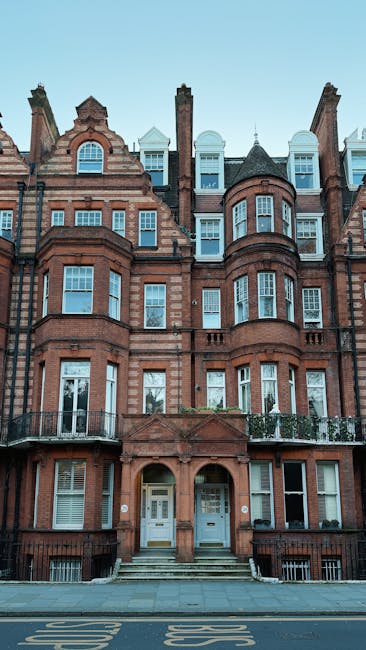
Moving in Belgravia has a rhythm of its own. Streets can be elegant, access can be tight, and flat moves often involve a few more moving parts than people expect. If you are preparing a Wilton Crescent moving day checklist for Belgravia flats, the goal is simple: keep the day calm, protect your belongings, and avoid the small delays that snowball into a very long afternoon. Truth be told, most moving-day stress comes from the bits nobody thinks about until the van is outside.
This guide walks you through the practical side of a flat move on Wilton Crescent: planning, parking, access, packing, building etiquette, timing, and the little checks that make a big difference. If you want a smoother move and fewer surprises, you are in the right place. Let's get properly organised.
- Why this checklist matters in Belgravia
- How the moving day process usually works
- Key benefits and practical advantages
- Who this is for and when it makes sense
- Step-by-step guidance
- Expert tips for better results
- Common mistakes to avoid
- Tools, resources and recommendations
- Law, compliance, standards or best practice
- Options, methods, or comparison table
- Case study or real-world example
- Practical checklist
- Conclusion
- Frequently asked questions
Why Wilton Crescent moving day checklist for Belgravia flats Matters
A flat move in this part of London is not just about loading boxes into a van. It is about timing the lift, handling stairs or narrow hallways, making sure parking is workable, and respecting the pace of the building and the street. On Wilton Crescent, even a small mismatch in timing can mean waiting on the pavement, holding a lift, or juggling furniture through a doorway that looked wider in the hallway photo than it did in real life. Happens all the time.
A proper checklist matters because it turns a messy sequence of tasks into a controlled process. Instead of asking "what have we forgotten?" at 8:15 a.m., you already know who is doing what, where the keys are, what has been packed, and when the van should arrive. That kind of clarity is worth a lot on moving day, especially in a neighbourhood where access and logistics can be just as important as the packing itself.
It also helps with communication. If you live in a managed block or a period conversion, there may be house rules, preferred lift windows, or expectations around protecting communal areas. A checklist keeps those details visible. You do not have to rely on memory, which, on moving day, is a slightly shaky friend.
How Wilton Crescent moving day checklist for Belgravia flats Works
The process is straightforward once you break it into stages. The checklist is really a moving plan, built around the realities of flat access in central London. You start before moving day, move through the arrival and loading window, then close out with handover and final checks. The whole point is to reduce decision-making when you are already busy.
In practice, a good moving day checklist should cover five areas:
- Access: stairs, lifts, entry codes, key collection, and any restrictions on moving hours.
- Parking: whether the van can stop close enough, and whether any suspension or bay arrangement is in place.
- Packing: which items are ready, labelled, protected, and easy to load first.
- Coordination: who is meeting the movers, who is checking the old flat, and who is receiving at the new one.
- Handover: meter readings, keys, photos, and last-minute cleaning or damage checks.
That is the basic shape of it. Once you understand the shape, the rest becomes much easier to manage. You are not just "moving house"; you are sequencing a chain of practical tasks so the day runs with less friction.
Key Benefits and Practical Advantages
The biggest benefit is simple: fewer surprises. And fewer surprises usually mean fewer delays, fewer awkward calls, and less heavy lifting done twice because something was forgotten in the hallway. For Belgravia flats, where access can be delicate and neighbours are often close by, that matters even more.
Here are the main advantages of using a proper checklist:
- Smoother loading: boxes and furniture are ready in the right order, so the team can work efficiently.
- Better building etiquette: common areas stay cleaner, quieter, and less disrupted.
- Less risk of damage: careful wrapping, clear routes, and planned handling reduce scrapes and knocks.
- Improved timing: you are less likely to lose half an hour looking for tape, keys, or a missing mattress bag.
- Lower stress: you know what happens next, which is oddly calming when there are boxes everywhere and the kettle is already packed.
There is also a financial angle, though it is often indirect. Delays can add pressure if you have booked movers, parking time, or building access windows. A cleaner plan helps you use the booked time better. That is especially useful if you are balancing a move with work, school runs, or a same-day handover between flats.
Who This Is For and When It Makes Sense
This checklist is for anyone moving into or out of a flat on Wilton Crescent or a nearby Belgravia street where access is not quite as simple as pulling up outside and opening a boot. It is particularly useful if you are moving from a period conversion, a managed apartment building, or a property with stairs, a small lift, or restricted stopping space.
It makes sense if you are:
- moving from a one-bedroom or larger flat with mixed furniture and boxed items;
- coordinating with building management or a concierge;
- trying to fit a move into a tight timetable;
- handling fragile items, artwork, mirrors, or awkward furniture;
- moving with children, pets, or elderly relatives and want the day to stay orderly;
- booked a removal crew and want to make the most of the time you have.
If your move is very small, you might only need a lighter version of the checklist. If it is a full flat move, with beds, wardrobes, white goods, and several roomfuls of belongings, the detailed version will save you a lot of last-minute faff.
Step-by-Step Guidance
Below is a practical sequence you can follow. It is written for the realities of a Belgravia flat move, not an abstract moving-day fantasy where everything somehow packs itself neatly by sunrise.
1. Confirm access and timing
Start with the basics. Check your move-in or move-out window, lift booking if one applies, entry instructions, and any restrictions on using service areas or shared spaces. If there is a porter, concierge, or building manager, make sure they know the plan. Even a quick confirmation can prevent a lot of awkward waiting at the front door.
2. Sort parking and vehicle access
Ask where the vehicle can stop, how long it can remain there, and whether the route from van to flat is clear enough for trolleys or two-person carries. In central London, the last ten metres matter more than people expect. A van parked just a little too far away can eat into time fast. If you are using a larger vehicle, double-check turning space and loading practicality before the day itself.
For some moves, a smaller vehicle is actually the smarter choice. If you need flexibility for narrow approach roads or multiple trips, a service such as man with van can sometimes be more practical than a larger truck. It is not about what looks impressive on paper; it is about what works outside your front door.
3. Prepare the flat the night before
Do as much as possible the evening before. Disconnect what you can safely disconnect, empty the fridge if needed, and keep one bag aside for essentials. Charge phones. Put important documents, keys, and chargers together. You do not want to be opening random drawers at 7:20 a.m. looking for a passport or the building fob.
This is also the time to protect floors and door frames if your building requires it, and to clear hallways so movers can work without obstacles. A clean route is a safer route. Simple, but easy to overlook.
4. Label everything clearly
Use labels that make sense to humans, not just to you in a rush. "Kitchen - everyday plates" is more useful than "box 7". If you are moving into storage or unloading in stages, colour coding can help too. The idea is to reduce decisions at the point of unpacking.
For fragile items, label the box on multiple sides. That way the warning remains visible even when the box has been turned round for the fourth time. And yes, it will be turned round. Boxes have a way of living their own life once loading starts.
5. Set aside an essentials kit
Your essentials kit should travel with you, not in the back of the van. Include medication, phone charger, documents, bottled water, basic toiletries, a change of clothes, snacks, keys, and anything the first night would feel uncomfortable without. If you are moving with children, this bag becomes even more important. A favourite toy or comfort item can save the day. Ask any parent. They will nod immediately.
6. Load in a sensible order
Generally, the heaviest and least-needed items go first, followed by sturdy furniture and then the more delicate, frequently needed pieces. That sounds obvious, but moving day often turns into a race unless someone is keeping the loading order in mind. The aim is not just to get everything in the van; it is to make unloading workable at the other end.
If you have specialist furniture or bulky items, it may be worth arranging help that is suited to the job. A full home move is not always best handled by the same setup as a single-item transport job. If you want a broader move solution, home moves can be a more relevant option than trying to piece things together yourself.
7. Do a final walkthrough
Before you hand back keys, do a room-by-room sweep. Check cupboards, window ledges, bathrooms, storage spaces, and the top of wardrobes. It is amazing how often small items hide in plain sight. The most expensive things are not always the ones left behind; sometimes it is the sentimental stuff, which is worse in a different way.
Take photos if needed, note any meter readings, and make sure the property is left as agreed. If you are moving out of a flat where deposit return matters, a final clean can be just as important as the move itself.
8. Receive and place items thoughtfully
At the new flat, do not rush everything into the first empty room. Place items where they belong as much as possible. This helps unpacking later and reduces the need to shift heavy furniture twice. If you know where the bed, sofa, and dining table should go, say so early. It sounds minor, but it saves a lot of back-and-forth. Small mercy, really.
Expert Tips for Better Results
A few small habits can make a proper difference. In our experience, the best moving days are not the ones with the fanciest equipment. They are the ones where the basics were done consistently and calmly.
- Keep one person in charge: too many instructions at once slow everything down.
- Take photos of cable setups: especially for TVs, routers, and any complex desk kit.
- Protect corners early: stair rails and door frames often suffer first, not last.
- Think about weather: a light rain in London can suddenly turn cardboard into a soggy mess, and nobody wants that at 10 a.m.
- Book enough time for the unload: the return journey often feels quicker than it is.
Another useful habit is to prepare for silence and noise in the right places. A moving day can be oddly quiet for ten minutes, then suddenly full of footsteps, tape ripping, and a sofa refusing to angle through the doorway. That is normal. Expect a bit of chaos and you will cope better when it arrives.
If you are especially concerned about fittings, access, or narrow interiors, it can help to read about local access challenges before the move. For example, the guide on narrow doorways and access in Belgravia offers a good sense of the type of planning that matters in period buildings.
Common Mistakes to Avoid
Most moving problems are avoidable. Not all, of course. A delayed lift or a parked-in vehicle can still happen. But a surprising number of headaches come from ordinary oversights.
- Leaving packing too late: last-minute boxes are rarely well labelled and often overweight.
- Forgetting building rules: one missed booking can derail an otherwise tidy plan.
- Ignoring parking realities: if the van cannot stop where expected, the day becomes longer immediately.
- Not setting aside essentials: the first night becomes far more awkward than necessary.
- Underestimating fragile items: mirrors, lamps, artwork, and glassware deserve proper packing.
- Trying to do too much yourself: there is bravery, and then there is trying to carry a wardrobe solo up a narrow stairwell. Different things.
A quieter mistake is assuming that "quick move" means "simple move". Sometimes it is the quick-looking ones that are trickiest because every task has to happen in just the right order. The safer approach is to plan for a little more time than you think you need.
Tools, Resources and Recommendations
You do not need a mountain of equipment, but a few tools can make life much easier.
- Heavy-duty boxes: use sturdy boxes for books and kitchen items.
- Packing paper and bubble wrap: useful for glass, ornaments, and lamp bases.
- Labels and marker pens: simple, reliable, and worth having plenty of.
- Furniture covers or blankets: help prevent scratches and dust marks.
- Trolley or dolly: especially useful if there are multiple boxes or longer carrying distances.
- Toolkit: screwdrivers, Allen keys, tape, scissors, and a small torch.
For packing support, some households prefer to do it all themselves, while others use a more hands-off approach. If you need help with wrapping, boxing, and getting things ready in an orderly way, packing and unpacking services can be a practical addition to a moving day plan. It can be especially useful when work and family life leave very little spare time.
If you are moving a lot of furniture, you may also want to consider the size of vehicle you need. A smaller vehicle is flexible, while a larger van or truck may suit bigger loads. For some situations, moving truck or removal truck hire may be more suitable. The trick is matching the vehicle to the building, not the other way around.
Law, Compliance, Standards, or Best Practice
For a Belgravia flat move, the most relevant compliance concerns are usually practical rather than dramatic. You are mainly dealing with access permissions, parking arrangements, building rules, and safe handling. Even so, it is worth treating them seriously.
Good practice usually includes:
- confirming permission for loading or unloading in advance if required;
- following any time windows set by the building or managing agent;
- using safe lifting methods and not overloading boxes;
- keeping shared hallways and entrances clear where possible;
- protecting surfaces to reduce the chance of damage;
- checking whether any parking restrictions or suspension arrangements apply.
If the move involves street parking, temporary loading, or a timed stop, plan early and avoid assuming that it will all "just work on the day". That phrase causes more problems than it should. For more local context, the article on Westminster Council rules for your Belgravia move is a helpful reference point for the kind of considerations that often come up in the area.
Safety matters too. If something is heavy, awkward, or unusually valuable, it is usually better to get the right help than to improvise. No one wins a prize for moving a piano alone. In fact, specialist piano moving is a good reminder that some items need more than enthusiasm and a pair of gloves.
Options, Methods, or Comparison Table
Different moves need different approaches. A short comparison can help you choose the right setup for a Wilton Crescent flat move.
| Method | Best for | Advantages | Trade-offs |
|---|---|---|---|
| DIY move | Very small loads, minimal furniture | Lower upfront cost, full control | More time, more lifting, higher stress, more risk of mistakes |
| Man and van | Compact flat moves or flexible scheduling | Practical for short-notice or lighter moves, nimble access | May need multiple trips for larger loads |
| Full home move | Larger flats, family homes, mixed furniture | More support, better for bulky items, less strain on you | Requires more planning and usually a bigger budget |
| Packing support plus transport | Busy households or time-sensitive moves | Reduces pressure, improves organisation, saves hours | Costs more than transport alone |
There is no single best option for every Belgravia flat. If you have a tight staircase, awkward furniture, and a limited parking window, flexibility may matter more than anything else. If the load is larger and time is short, a fuller removals setup is often the calmer choice. The right method is the one that fits your property, not the one that looks cheapest at first glance.
If you are comparing local timing and route sensitivity, a guide such as best routes and timing around Belgravia can also help you think more realistically about central London access.
Case Study or Real-World Example
Imagine a couple moving out of a two-bedroom flat near Wilton Crescent on a Friday morning. They have a sofa, a bed frame, several book boxes, a dining table, mirrors, and a lot of smaller household items. The lift in the building is small, the parking space is limited, and the handover window at the new flat is not generous.
Without a checklist, the day starts with confusion: someone is still wrapping crockery, the van arrives before the key handover, and the essentials bag is in the wrong room. The result is friction from the first ten minutes. Nothing dramatic, just lots of little delays. And little delays stack up quickly.
With a checklist, the picture changes. The couple has already confirmed access and parking. Fragile items are labelled. The movers know which furniture is going first. The kettle, chargers, and documents are in a separate bag. By the time the van is loaded, there is less scrambling and more steady progress. At the new flat, the bed is placed first, the boxes are grouped by room, and the first evening feels manageable instead of chaotic.
That is really the aim. Not perfection. Just a day that feels under control.
Practical Checklist
Use this checklist as your final moving-day run-through for a Belgravia flat move. Print it, copy it, or keep it on your phone. Whatever works best for you.
- Confirm move-in or move-out time with the building or landlord.
- Check lift bookings, access codes, keys, and entry arrangements.
- Sort parking or loading arrangements for the van.
- Tell neighbours or building staff if advance notice is needed.
- Label every box by room and contents.
- Pack an essentials bag with documents, medication, chargers, and basic toiletries.
- Set aside fragile items and mark them clearly.
- Disassemble furniture that needs it, and keep fixings together in labelled bags.
- Protect floors, corners, and door frames where appropriate.
- Take meter readings and photos before leaving the old flat.
- Check cupboards, storage spaces, and behind doors before final handover.
- Confirm the route from the van to the front door is clear.
- Keep water and small snacks available for the day.
- Place the bed, key furniture, and priority boxes first at the new flat.
- Do a final sweep for valuables, paperwork, and chargers before leaving.
Expert summary: the calmest moves in Belgravia are rarely the most ambitious ones. They are the ones where access, parking, packing, and timing were checked early and kept simple on the day.
If your move includes extra items, storage needs, or mixed household and commercial loads, you may want to look at related support such as man and van, house removalists, or even commercial moves if you are balancing a live-work setup. The best choice depends on the actual load, not the marketing label.
Conclusion
A well-built Wilton Crescent moving day checklist for Belgravia flats does more than keep you organised. It protects your time, reduces stress, and helps the move feel respectful to the building, the street, and everyone involved. That is a pretty good outcome for a day that can otherwise feel slightly chaotic from breakfast onwards.
The key is to plan for the realities of central London flat moving: access, parking, lifts, packing, and the handover details that always seem small until they are not. If you handle those properly, the rest tends to fall into place. Not always perfectly. But well enough to breathe a bit easier.
Get a free quote today and see how much you can save.
And if you are still in the planning stage, take a slow breath, make the list, and keep going. A good move is rarely magic. It is usually just good preparation done at the right time.
Frequently Asked Questions
What should be on a Wilton Crescent moving day checklist for Belgravia flats?
Your checklist should cover access, parking, lift bookings, packing, labelling, essentials, final meter readings, and a last walkthrough. For Belgravia flats, it should also include building rules and any restrictions on loading times.
How far in advance should I start planning a flat move in Belgravia?
Ideally, start as soon as your moving date is confirmed. Even a simple flat move benefits from early access checks, parking planning, and a packing schedule. If you leave those until the week of the move, things get squeezed fast.
Do I need to arrange parking for the moving van?
Usually, yes. Central London streets are not the place to assume a van can just stop anywhere for as long as needed. Parking or loading arrangements should be checked early, especially if the building is on a narrow or busy road.
Is a man and van service enough for a Belgravia flat move?
Sometimes it is, especially for smaller loads or shorter moves. For a larger flat, awkward furniture, or a building with tricky access, a fuller removals setup may be more suitable. The right choice depends on the volume and the property layout.
What are the most common problems on moving day?
The usual problems are delayed access, parking issues, poorly packed boxes, missing essentials, and furniture that is harder to move than expected. None of these are dramatic on their own, but together they can slow the day down quite a bit.
Should I book packing help as well as transport?
If you are short on time, have fragile items, or simply do not want to spend several evenings surrounded by boxes, packing help can be a very sensible add-on. It is especially useful when the move date is close and you still have a full flat to sort out.
What items should stay with me rather than go in the van?
Keep documents, keys, medication, chargers, valuables, and anything you would need if the van was delayed. A small essentials bag saves a surprising amount of trouble on the first night.
How do I prepare a flat with stairs or a small lift?
Measure larger furniture in advance, disassemble what you safely can, clear hallways, and plan the order of loading. If the lift is small, the sequence of items matters even more. Sometimes the right move is to take one larger item apart rather than force a risky carry.
What should I check before leaving the old flat?
Check cupboards, storage areas, under beds, behind doors, and the tops of wardrobes. Take meter readings, photos if needed, and make sure all keys are accounted for. A slow final sweep is worth it.
Can I move without professional help?
Yes, if the move is small and the access is manageable. But in Belgravia, even small flat moves can involve awkward parking or tight entry points. If there is any doubt, getting help usually saves time and reduces strain.
What kind of furniture is most likely to cause trouble?
Wardrobes, sofa frames, beds, mirrors, glass tables, and anything unusually heavy or awkward tend to be the main culprits. The item that looked fine in the lounge often becomes much less charming at the stairwell.
How do I keep the moving day less stressful?
Keep the checklist simple, label everything, confirm logistics early, and avoid last-minute packing if you can. A calm moving day is rarely about luck. It is usually about preparation, clear roles, and not trying to do everything at once.