Elizabeth Street Belgravia removals access guide for narrow doorways
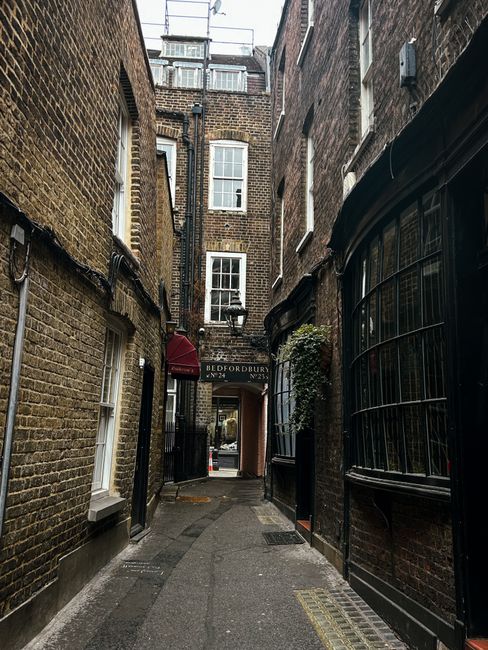
If you are planning a move on Elizabeth Street in Belgravia, the doorway itself can shape the whole day. A sofa that looked fine in a bright showroom can suddenly feel a lot less cooperative when it meets a slim hallway, a tight stair turn, or a period front door with very little forgiveness. This Elizabeth Street Belgravia removals access guide for narrow doorways is designed to help you think ahead, reduce stress, and avoid those awkward moments where everyone is standing in the entrance wondering how on earth the wardrobe is meant to pass through. Truth be told, that happens more often than people expect.
In the next sections, you will find a practical breakdown of how access planning works, what to check before moving day, how to choose the right moving method, and which mistakes usually cause delays. If you want a fuller home-moving service alongside this kind of detailed access preparation, you may also find home moves support and house removalists useful to compare.
One small note before we begin: narrow doorways are not automatically a problem. They are a planning problem. That is a very different thing.
- Why narrow doorway access matters
- How the access guide works in practice
- Key benefits and practical advantages
- Who needs this and when it makes sense
- Step-by-step guidance
- Expert tips for better results
- Common mistakes to avoid
- Tools, resources and recommendations
- Law, compliance, standards, or best practice
- Options and comparison table
- Case study or real-world example
- Practical checklist
- Conclusion
- Frequently asked questions
Why Elizabeth Street Belgravia removals access guide for narrow doorways Matters
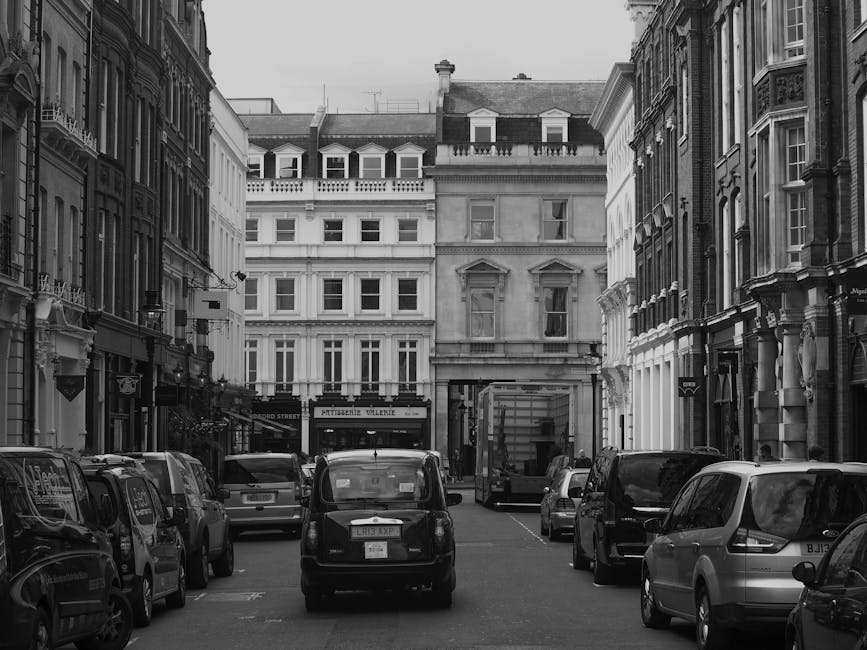
Elizabeth Street and much of Belgravia are known for elegant period homes, refined interiors, and layouts that were not exactly designed around today's oversized furniture. That is part of the charm, of course. It is also why removals in this area need a more careful access plan than a standard suburban move.
Narrow doorways matter because they affect nearly every stage of a move:
- how items are measured and packed
- whether furniture needs partial dismantling
- which team size is sensible
- whether specialist lifting gear is needed
- how long the job will actually take
- what kind of vehicle can park nearby without causing headaches
The main issue is not just width. It is the whole path: front steps, hallway corners, internal turns, banisters, ceiling height, and even floor protection. A door may technically be wide enough, yet still be impossible to use if the angle of the item is wrong or the route contains a tight turn halfway through. Anyone who has carried a dining table at an awkward tilt in a narrow hallway knows the feeling - and the mild panic.
For commercial or office jobs on or near Elizabeth Street, the same logic applies. Access limitations can slow down office furniture, filing cabinets, IT equipment, and fragile items. If that sounds familiar, a look at commercial moves or office relocation services can help you judge which type of move is more suitable.
How Elizabeth Street Belgravia removals access guide for narrow doorways Works
The guide works by taking the guesswork out of the move. Instead of assuming everything will fit, you measure the route from the room to the vehicle and identify pinch points in advance. That sounds basic, but it is the bit people often skip. Then moving decisions are made around the real space available, not around hope.
In practical terms, the process usually looks like this:
- Measure key openings - door widths, hallway widths, stair landings, and lift doors if there is a lift.
- Measure the largest items - not just length and width, but also depth, height, and any awkward fixed parts like arms or handles.
- Map the route - front entrance, internal turns, stair angle, parking distance, and any tight exterior access.
- Decide what can be dismantled - beds, tables, wardrobes, shelving, and modular furniture often travel better in sections.
- Choose the right moving support - for example, a flexible man and van service, a heavier moving truck, or more structured removal truck hire.
- Protect the property - use covers, wraps, and floor protection before the first item is moved.
The important thing here is that the guide is not just about measuring. It is about making the measurements useful. A 78 cm doorway means very little on its own if the object can turn only in one direction and the landing is too tight to rotate it safely. That is where experience comes in.
For smaller loads or single-item access jobs, a man with van arrangement may be enough. For larger furniture sets, wrapping and dismantling support from packing and unpacking services can save time and reduce damage risk.
Key Benefits and Practical Advantages
A good access guide does more than prevent mistakes. It makes the move calmer, faster, and usually cheaper overall because fewer surprises appear on the day. That is the real win.
- Less damage risk - narrow doorways are where scrapes, chipped paint, and scuffed furniture tend to happen.
- Better timing - if you know where the tight points are, you can plan the order of loading and unloading properly.
- Smarter packing - awkward furniture can be wrapped, padded, or dismantled before it becomes a problem in the hall.
- Cleaner decision-making - you can decide whether to move, store, or replace bulky items instead of forcing them through.
- Less physical strain - repeated lifting at odd angles is tiring, and to be fair, it is where avoidable slips happen.
- Better neighbour relations - fewer long pauses in communal spaces, less blocking of entrances, and less frustration all round.
There is also a planning benefit that people sometimes miss: once access is understood, you can decide whether a partial move or staged move makes sense. For example, if one large wardrobe will not clear the stair bend, it may be more sensible to dismantle it at source than to gamble on getting it out whole.
If you are moving a few select pieces rather than a full household, the furniture pick up option can be a neat fit. It avoids committing to a much larger service than you actually need.
Who This Is For and When It Makes Sense
This guide is for anyone moving to, from, or within Elizabeth Street who has to work with narrow access. That includes homeowners, tenants, landlords arranging end-of-tenancy moves, interior designers moving large pieces, and businesses shifting office furniture into period premises.
It makes especially good sense if you have any of the following:
- a front door that opens onto a tight hall
- a staircase with a sharp turn or narrow landing
- large sofas, wardrobes, mirrors, or marble-topped furniture
- fragile items that cannot be tipped or squeezed
- limited parking close to the property
- a basement, upper-floor flat, or mews-style access route
It also makes sense if you are not sure whether a standard van will be enough. Sometimes people think they need a huge truck because the move feels complicated, but a smaller, better-planned vehicle can be more practical on a narrow street. Other times the opposite is true. There is no one-size-fits-all answer, annoyingly enough.
For residential moves, comparing home moves with house removalists can help you work out how much hands-on support you want. If you are downsizing or clearing rooms, the broader support options on Storage Belgravia may also help you plan the move in stages.
Step-by-Step Guidance
Here is a practical way to handle narrow doorway removals without turning the day into a puzzle. This is the part to read twice, if you like to be prepared.
1. Measure the full route, not just the doorway
Start with the obvious bit: the doorway width. But do not stop there. Measure hall width, stair width, landing depth, and any corners that require rotation. If there is a lift, check the internal dimensions and the door opening together. The difference between "it should fit" and "it fits" can be a very expensive 2 cm.
2. Identify your largest and most awkward items
List the bulky pieces first: wardrobes, bed bases, large armchairs, mirrors, desks, dining tables, and any item with fixed arms or decorative edges. Flat-pack boxes are usually easy. The awkward old sideboard inherited from a relative is often the real issue.
3. Decide what needs dismantling
Some furniture should be dismantled before the move. Beds and modular wardrobes are obvious candidates, but so are bulky tables, shelving, and some office furniture. If a piece comes apart safely, it usually moves better. If it does not, wrap and pad it properly and plan the angle carefully.
4. Protect walls, corners, and floors
Use corner protection, blankets, wrap, and floor coverings where needed. Narrow entrances tend to concentrate contact points, so even one small misjudgement can mark plaster or woodwork. A good team will take this seriously. It is not overkill; it is just sensible.
5. Choose the right vehicle and crew size
If parking is tight, a smaller van may be easier to position close to the property. If there are multiple heavy pieces, a larger vehicle with the right loading setup may be better. The right choice depends on access, item size, and how many trips you want to avoid. A good moving team will weigh these things before saying yes to a job.
6. Load in the right order
Place the hardest-to-move pieces first, then build around them. Keep fragile items secure and use blankets between furniture surfaces to reduce rubbing. On a narrow street, loading order matters more than people think because every extra trip in and out takes time and blocks the entrance a little longer.
7. Do a final walkthrough before leaving
Check the property for screw packets, loose fixings, cupboard contents, and any overlooked items behind doors or under beds. It sounds obvious, but in the last ten minutes of a move, obvious things become invisible.
Expert Tips for Better Results
Here are a few practical habits that make a real difference on narrow-access jobs.
- Take photos of tight points - a quick picture of the doorway, stair turn, or hall can be more useful than a long description.
- Use tape to map clearances - if you are unsure whether an item will squeeze through, tape the measurement on the floor or doorway frame so you can visualise it.
- Remove doors only when needed - taking a door off its hinges can help, but only where it is safe and appropriate.
- Pack by shape, not just by room - long, flat, or awkward items should be grouped together for easier handling.
- Keep the route clear - shoes, baskets, bin bags, and random clutter are strangely determined to appear right where you need space.
- Plan for weather - in wet London conditions, floors and steps can become slippery. A damp entrance and a heavy wardrobe are a poor combination.
A small human truth: the best moving days are often the boring ones. No drama, no guessing, no heroic last-minute manoeuvres. Just careful prep and steady lifting. That is the goal, really.
If you need help with specialist handling or a bigger vehicle, it can be worth looking at moving truck options or a more tailored removal truck hire setup, especially where the load is large but access is complicated.
Common Mistakes to Avoid
Narrow doorway moves tend to go wrong in fairly predictable ways. Knowing the usual traps helps a lot.
- Measuring only the room, not the route - a sofa might fit in the lounge and still fail at the stair corner.
- Forgetting trim and handrails - the raw doorway width is not always the full story if handles, mouldings, or banister rails reduce clearance.
- Assuming everything can be carried upright - some furniture needs to be tilted, and some really should not be.
- Ignoring assembly points - loose shelves, mirror panels, and detachable legs are easy to overlook.
- Not preparing the parking position - if the vehicle is too far away, the narrow access problem becomes a carrying-distance problem too.
- Leaving access checks until moving day - that is where the stress begins. Always.
One of the most common mistakes is overconfidence with a single large item. "It looks fine" is not a measurement. "We'll just angle it" is also not a plan unless you have already checked the actual turning space. Slightly unglamorous, yes. But that is what works.
Tools, Resources and Recommendations
You do not need a warehouse full of specialist kit to make narrow doorway removals work, but the right tools do make a noticeable difference.
| Tool or aid | What it helps with | Best used when |
|---|---|---|
| Measuring tape | Doorways, halls, furniture dimensions | Always, before any loading starts |
| Furniture blankets | Surface protection and cushioning | For wood, glass, polished, or painted pieces |
| Stretch wrap | Securing doors, drawers, and loose parts | When furniture has moving sections |
| Corner protectors | Reducing wall damage | On tight turns and narrow stairwells |
| Dollies or trolleys | Moving heavier items more safely | Where the floor and route are suitable |
| Floor coverings | Protecting flooring from marks and dirt | Especially in rain or muddy conditions |
For practical support, a mixed service approach can help. Some customers choose a basic vehicle and lifting team, while others combine moving support with packing help for fragile or oddly shaped items. If your move includes boxes, wrapping, and careful room-by-room preparation, packing and unpacking services can reduce the pressure quite a bit.
And if you are moving a handful of items rather than an entire property, a flexible man and van arrangement often provides a good balance of simplicity and cost control.
Law, Compliance, Standards, or Best Practice
For this kind of move, the main compliance issues are usually practical rather than dramatic: safe lifting, safe loading, property protection, parking awareness, and working in a way that does not endanger staff, residents, or passers-by. In the UK, moving teams are expected to work with reasonable care and follow normal health and safety practice. That includes planning loads properly and avoiding unsafe handling where an item is too heavy, too awkward, or too risky to move as one piece.
In a place like Belgravia, there is also a common-sense courtesy element. Shared entrances, narrow pavements, and busy streets mean that timing and access discipline matter. Do not block doors for longer than necessary, keep routes clear, and make sure the move is organised so the property is not left exposed or awkwardly open while people wait around.
If a building has a concierge, management instructions, or resident access rules, follow them carefully. The exact details vary by property, so it is better to confirm ahead of time than to assume. That goes for lifts, loading bays, and protected flooring too. A calm five-minute check can save half an hour of backtracking.
Options, Methods, or Comparison Table
Different moves on Elizabeth Street call for different approaches. Here is a straightforward comparison to help you think it through.
| Method | Best for | Strengths | Possible drawbacks |
|---|---|---|---|
| Man and van | Smaller loads, single-room moves, a few bulky items | Flexible, simple, practical | May not suit very large or complex loads |
| Man with van | Light-to-medium moves with hands-on help | Useful for awkward access and limited parking | Limited capacity for bigger household moves |
| Moving truck | Larger household or office moves | Good capacity, efficient for multiple items | Can be harder to position on narrow streets |
| Removal truck hire | Moves needing a dedicated vehicle and structured plan | More control over the transport side | Needs stronger access planning before booking |
The "best" option depends on what is actually being moved. A compact flat with a few pieces of furniture may be better served by a smaller vehicle and more focused lifting support. A full family house with heavy furniture may justify a larger setup. The key is not choosing the biggest option by default. It is choosing the option that fits the access. Small difference, big outcome.
Case Study or Real-World Example
Here is a realistic example based on the kind of move this guide is meant to handle.
A client in a period property off Elizabeth Street needed to move a tall wardrobe, a king-size bed frame, two armchairs, and several boxes. The wardrobe looked manageable from the bedroom, but the hallway had a tight turn and the front door opening was narrower than expected once the door stop and handle were accounted for. Rather than forcing the issue, the team measured the route, removed the wardrobe doors, took the bed frame apart, and protected the corners before starting.
The result was not flashy, just efficient. The move took a little longer in prep, but far less time in problem-solving. There were no scuffed walls, the furniture arrived intact, and the client avoided the kind of last-minute panic that tends to make people question every decision they have ever made. A pretty ordinary success, which is exactly what you want in removals.
That sort of result is common when the access is treated as part of the move, not as an afterthought.
Practical Checklist
Use this checklist before the move day arrives. A little preparation goes a long way.
- Measure all doorway widths on the route
- Measure stair turns, hallways, landings, and lift openings
- List the bulkiest furniture first
- Note any items that must be dismantled
- Check parking and unloading distance
- Confirm building access rules or concierge requirements
- Set aside blankets, wrap, tape, and floor protection
- Empty drawers, cabinets, and wardrobes where needed
- Protect mirrors, glass, and fragile finishes
- Label boxes clearly so the unloading order makes sense
- Keep the route clear inside the property
- Confirm the moving team knows about any tight corners or stairs
Quick expert summary: if your move on Elizabeth Street involves narrow doorways, treat measurements, dismantling, and protection as one connected job. Not separate tasks. That mindset alone prevents a lot of trouble.
Get a free quote today and see how much you can save.
Conclusion
The smartest way to handle an Elizabeth Street Belgravia move is to respect the access from the start. Narrow doorways do not have to be a problem if the route is measured properly, the biggest items are assessed honestly, and the right moving method is chosen for the space available. That is the difference between a move that feels controlled and one that turns into a series of awkward sideways shuffles.
Whether you are moving a full household, a few carefully chosen pieces, or office furniture into a period property, the same rule applies: plan for the route you actually have, not the route you wish you had. It is a simple idea, but it saves time, money, and a fair bit of stress.
If you want help arranging the right kind of move for a tight-access property, take a calm look at the service options and choose the one that matches your space, your items, and your day. Then breathe out. The doorways are narrow, yes, but the plan does not have to be.
Frequently Asked Questions
How do I know if my furniture will fit through a narrow doorway?
Measure the furniture at its widest point and compare that with the full route, including the doorway, hall, and any corners. If an item can only pass when tilted, you need extra clearance, not just a close fit.
What should I measure before moving day on Elizabeth Street?
Measure every door opening, the hallway width, staircase turns, landings, lift doors if relevant, and the largest furniture pieces. Parking distance matters too, because a short route from van to entrance makes the whole job easier.
Can a wardrobe be moved through a narrow hallway without dismantling it?
Sometimes, but not always. It depends on the wardrobe size, the angle needed, and whether the hallway has room for rotation. If in doubt, dismantling is usually safer than forcing the item.
Is a man and van service enough for narrow doorway removals?
For smaller loads, yes, it often is. A man and van setup can work well when access is tight and the move is not overly large. Bigger households may need something more substantial.
What is the main risk with narrow doorways during a move?
The main risks are damage to walls, door frames, and furniture, plus strain or injury from awkward lifting. Delays are also common when access has not been measured properly.
Should I remove doors from their hinges to make more space?
Only if it is safe and appropriate. Removing an internal or entrance door can help, but it should be done carefully and only when the gain in clearance is genuinely useful.
Do I need special packing for fragile items in a narrow-access property?
Yes, often you do. Tight spaces make fragile items more vulnerable to knocks, so extra wrapping, corner protection, and a sensible loading order are worth the effort.
What if the road outside Elizabeth Street is hard to park on?
Then vehicle choice becomes especially important. A smaller, better-positioned vehicle may be more practical than a larger one that cannot unload close to the entrance.
Are removal truck hire and moving truck options better for big moves?
Usually, yes, if you have many items or heavier furniture. They provide more capacity, but they still need a proper access plan, especially on narrow streets and in period buildings.
Can packing and unpacking services help with access problems?
They can help indirectly by making sure items are well prepared, secured, and easier to carry. Good packing reduces the chance of loose parts, awkward bulges, and last-minute repacking on the pavement.
How far in advance should I plan a narrow doorway move?
As early as possible, ideally before you book the move itself. The earlier you measure and flag access issues, the easier it is to choose the right vehicle, crew size, and packing method.
What is the simplest way to avoid damage in a narrow hallway?
Protect the surfaces before the first item moves, keep the route clear, and use enough people for the size of the furniture. Most hallway damage happens when the job is rushed.
If you are still unsure which setup suits your property, a short conversation with a removals team can save a lot of second-guessing. And honestly, that is a good use of ten minutes.