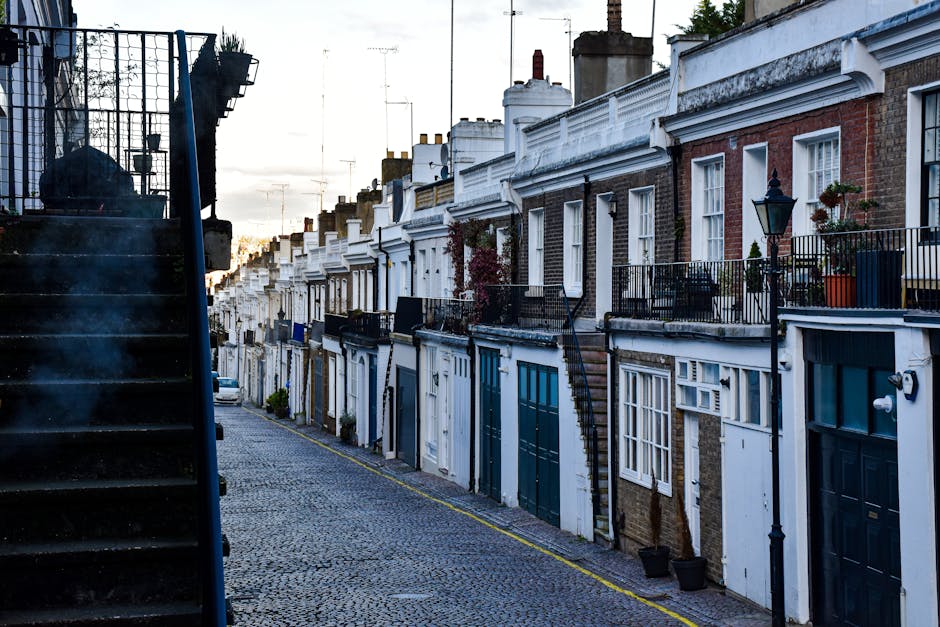
Grosvenor Crescent Removals: Access, Stairs and Parking
Moving on or around Grosvenor Crescent can feel deceptively simple on a map and then, on the day, a bit more involved than expected. The street itself, the surrounding Belgravia roads, the building layouts, the parking rules, the staircases, the loading distances - all of it can affect how quickly and safely a move gets done. That is why Grosvenor Crescent removals: access, stairs and parking deserves proper planning, not just a quick booking and a hopeful shrug.
If you are moving home, relocating an office, or shifting a few bulky pieces of furniture, the details matter. A narrow entrance, a top-floor flat, a lift that is too small for wardrobes, or a vehicle that cannot stop close enough can all add time and stress. The good news? Most of those headaches can be reduced with the right preparation, the right vehicle, and a removal team that understands central London logistics.
In this guide, we will walk through the realities of access, stairs and parking on Grosvenor Crescent, explain why they matter, and show you how to plan a smoother move. Along the way, you will find practical tips, common mistakes, a comparison table, and a checklist you can actually use. No fluff. Just the stuff that helps on moving day, when the kettle is packed and every minute feels oddly loud.
Table of Contents
- Why Grosvenor Crescent Removals: Access, Stairs and Parking Matters
- How Grosvenor Crescent Removals: Access, Stairs and Parking Works
- Key Benefits and Practical Advantages
- Who This Is For and When It Makes Sense
- Step-by-Step Guidance
- Expert Tips for Better Results
- Common Mistakes to Avoid
- Tools, Resources and Recommendations
- Law, Compliance, Standards, or Best Practice
- Options, Methods, or Comparison Table
- Case Study or Real-World Example
- Practical Checklist
- Conclusion
- Frequently Asked Questions
Why Grosvenor Crescent Removals: Access, Stairs and Parking Matters
In central London, the difference between an easy move and a frustrating one is often not the number of boxes. It is access. Grosvenor Crescent sits in an area where road width, controlled parking, building frontage, and nearby traffic patterns can all shape how a removal goes. That means the logistics are not a side issue; they are the job.
Think about it this way: if a van has to park too far away, every sofa, mattress, and wardrobe must be carried further. If the property is on an upper floor with a tight stairwell, the team may need more time, more manpower, and better wrapping. If loading space is limited, the move might need a smaller vehicle, timed arrival, or a staged load plan. Small obstacles stack up quickly.
This is especially relevant for people moving in or out of period buildings, mansion blocks, and elegant terraces around Belgravia. These properties can look spacious from the outside, yet the internal access can be awkward. Narrow turns, bannisters, split-level landings, and lift dimensions can turn a straightforward move into a careful puzzle. Not dramatic. Just real.
Good planning also protects your belongings. A rushed move on stairs can put corners, paintwork, glass, and frames at risk. A poorly considered parking setup can leave items standing on the pavement longer than they should. And in a busy district, that is not ideal for your schedule or your neighbours.
If you are looking beyond a single move and want broader help with household logistics, our home moves service is a useful starting point. For larger family homes, the support from experienced house removalists can be especially valuable when access is less than generous. Sometimes the building wins the first round unless you plan properly.
How Grosvenor Crescent Removals: Access, Stairs and Parking Works
A well-run move in this area usually begins before moving day. The removal team should understand the property layout, the street access, and any parking or unloading restrictions. That can happen through a survey, photos, a call, or a mix of all three. The aim is simple: reduce surprises.
Here is how the process typically works in practical terms:
- Initial access review: The team asks about floor level, lift access, stair width, entrance type, and any awkward turns or low ceilings.
- Parking and loading plan: They assess where the vehicle can legally stop, how close it can get, and whether a permit or timing strategy is needed.
- Vehicle and crew selection: Depending on volume and access, a smaller vehicle may actually work better than a large one. Not every job needs a giant truck, and truth be told, the wrong size can slow everything down.
- Packing and protection: Fragile pieces are wrapped, furniture is protected, and items likely to struggle on stairs are prepared in advance.
- Loading sequence: Heavy or bulky items are often moved first, but only after the team decides which route is safest and least disruptive.
- Delivery and placement: Items are taken in the planned order, with care taken on stairwells, corners, and door frames.
For some moves, a man and van service is ideal, especially if you have a smaller load, a tight access point, or a need for flexibility. For larger or more complex jobs, a moving truck or removal truck hire may be the better fit. The right choice depends on the property, not just the pile of boxes in the hallway.
One practical tip: ask the team how they would handle the hardest item first. If they can explain the route for a sofa, a wardrobe, or a heavy desk clearly, you are probably dealing with people who have thought this through.
Key Benefits and Practical Advantages
Planning around access, stairs and parking is not just about avoiding problems. It also brings real benefits that make the entire move feel calmer and more controlled.
- Less wasted time: If the van parks correctly and the route is clear, the job moves faster.
- Reduced damage risk: Good planning helps protect walls, bannisters, doors, and furniture finishes.
- Better cost control: Time is money in removals. Fewer delays often means a more efficient job overall.
- Less physical strain: Shorter carry distances and planned stair routes reduce unnecessary lifting.
- Smoother neighbour relations: Clear timing and tidy loading help avoid complaints in shared buildings or busy streets.
- More confidence on the day: When everyone knows the plan, you are not improvising with a mattress at the front door at 8:15 in the morning. Which, honestly, nobody needs.
There is also a quieter benefit: peace of mind. Moving day already asks enough of you. Once the access and parking are under control, everything else feels more manageable. Even a modest move can feel surprisingly lighter.
If your move includes packing support, consider packing and unpacking services. Proper packing matters more than people think, especially when items will be carried upstairs, through narrow halls, or across longer outdoor distances. A box that is overpacked in the morning tends to feel twice as heavy by lunchtime.
Who This Is For and When It Makes Sense
This kind of planning makes sense for almost anyone moving in the Grosvenor Crescent area, but it is particularly useful in a few common situations.
- Apartment residents: Upper floors, tight staircases, and limited lift access can make even a small move more complicated.
- Families in townhouses or period properties: Bigger homes often mean more furniture, more fragile items, and more internal obstacles.
- Office movers: Businesses need punctuality and minimal disruption, especially if deliveries, staff access, or client visits are happening nearby.
- People moving expensive or awkward items: Large mirrors, antiques, pianos, artwork, and fitted furniture need careful handling.
- Anyone with parking constraints: If the property frontage is restricted, busy, or shared, the parking plan becomes a central part of the move.
For business premises and mixed-use buildings, our commercial moves and office relocation services can be a better fit than a standard domestic move. Office jobs often involve narrow time windows, equipment handling, and shared entrances - a different rhythm altogether.
And if you only need help with a single item or a small load, a man with van option or furniture pick-up may be the simplest, least stressful route. A smaller service can be the smart choice. Not every move needs the full orchestra.
Step-by-Step Guidance
Below is a practical way to organise your move so access, stairs and parking do not catch you out.
- Measure the awkward bits first. Check stair width, landing space, lift dimensions, door clearances, and any tight turns. If you have a large sofa or wardrobe, compare measurements before moving day.
- Inspect loading access. Look at where a van could stop, whether the pavement is wide enough, and how far the carry distance might be. Ten metres versus fifty metres is a very different day.
- Identify restrictions early. Some streets, bays, or building entrances have rules about loading times or waiting. If parking is uncertain, ask the mover how they handle it.
- Prepare a floor plan. A rough sketch of the property helps the team know where to place items. It saves a surprising amount of back-and-forth.
- Protect the route. Blankets, door protectors, and floor coverings are useful in tight stairwells. Especially where paintwork or polished floors are involved.
- Pack for movement, not just storage. Boxes should be sealed, labelled, and not overloaded. Keep heavy items manageable and fragile items well cushioned.
- Keep essentials separate. Documents, chargers, medication, keys, and a kettle should not vanish into the truck. You will thank yourself later.
- Build in a time buffer. In central London, traffic, loading delays, and building access checks can eat time. A little slack makes the day feel far less frantic.
If you are comparing vehicle options, think about the trade-off between capacity and manoeuvrability. A larger vehicle can carry more in one go, but a smaller one may park and load more easily on a constrained street. That one detail can change the mood of the entire move.
Expert Tips for Better Results
A few small decisions can make a surprisingly big difference. These are the practical habits that tend to pay off.
- Share photos, not just descriptions. A picture of the stairs, lift, frontage, or parking space is often worth a long phone explanation.
- Separate fragile items before the movers arrive. It helps the team load carefully and keeps high-risk items from getting lost in the shuffle.
- Disassemble bulky furniture in advance where possible. Beds, tables, and some wardrobes move more easily when partly broken down.
- Ask about second-floor and above access. Some staircases look fine until you are actually carrying a sofa up them. Then the angle changes everything.
- Plan for concierge or building rules. If your building has a porter, lift booking, or service entrance, coordinate that early.
- Keep one person available to direct. A clear point of contact avoids confusion when the vehicle arrives and everyone is juggling doors, keys, and boxes.
One quiet little truth: a move feels easier when the first ten minutes go well. If the van arrives on time, the access route is clear, and the team knows the plan, the rest often settles into place. Not always, of course, but often enough to matter.
For especially sensitive items, or if you need a steadier pace, it may be worth asking about support from a company's background and service approach. You can learn more about the team behind the service through the about us page. It sounds simple, but choosing movers you feel comfortable with can reduce a lot of low-level stress.
Common Mistakes to Avoid
Most moving problems around access, stairs and parking come from assumptions. The property looks manageable, so the planning gets skipped. Then moving day proves otherwise.
- Assuming parking will sort itself out: In a busy area, it rarely does.
- Forgetting to mention stairs: A single flight, a split staircase, or a narrow turning landing can change the whole job.
- Underestimating carry distance: Even a short extra walk from the van adds fatigue and time.
- Not checking lift size: Some lifts are useful for boxes but not for large furniture.
- Packing too late: Last-minute packing tends to create overfilled boxes and forgotten essentials.
- Choosing the wrong service type: A small van may be ideal for one flat, but not for a full household move. Equally, a big truck can be overkill if access is tight.
There is also a softer mistake: not giving yourself enough breathing room. If you have a hard deadline, a train to catch, or building rules to meet, everything becomes more fragile. A move is always a bit of a choreography problem. Miss one step and the whole thing wobbles.
That is why clear booking terms matter. If you want to understand how service conditions are handled, the terms and conditions page is worth a quick read before you confirm anything.
Tools, Resources and Recommendations
You do not need specialist equipment for every move, but the right tools help a lot. For access-heavy jobs, the basics are often the most useful.
- Measuring tape: Useful for stairs, doors, lift openings, and furniture dimensions.
- Furniture blankets and wraps: Help protect surfaces during stair carries and loading.
- Straps and trolleys: Handy for heavier items, though stairs may still require manual carrying.
- Labels and marker pens: Make room-by-room unloading far easier.
- Floor and door protection: Especially important in shared entrances or heritage-style properties.
- Phone photos of access points: Simple, but incredibly useful when planning with a removals team.
If you are still weighing up your options, think about whether your priority is flexibility, capacity, or a fully managed move. A smaller local job may work well with a van and one or two movers, while a larger household move benefits from a more structured approach. If you need broader guidance on domestic relocations, home moves and house removalists are both useful pages to review.
Sometimes the best recommendation is a boring one: measure twice, book once. It is not glamorous, but it saves hassle. And in removals, hassle is exactly what you are paying to avoid.
Law, Compliance, Standards, or Best Practice
For moves around Grosvenor Crescent, it is sensible to follow standard UK removals practice and local parking rules, without assuming a one-size-fits-all solution. Different streets and buildings can have different restrictions, and councils may enforce loading or waiting rules in ways that affect timing. If parking is tight or regulated, it is wise to confirm the current position directly rather than rely on memory or guesswork.
Good practice also means respecting shared spaces. In apartment blocks and managed buildings, movers should avoid blocking entrances, keep fire routes clear, and minimise disruption to neighbours and staff. That sounds obvious, but it is worth saying because a rushed day can make ordinary things slip.
For commercial or office moves, there may be additional building requirements such as access windows, lift protection, or service entrance coordination. These are usually management issues rather than dramatic legal points, but they matter. A good mover will ask about them early and adjust the plan.
Health and safety is another practical layer. Lifting heavy objects on stairs is demanding work. Proper team size, safe lifting techniques, and suitable equipment reduce the risk of damage or injury. You do not need to turn a move into a lecture, but you do want people who are careful, steady, and realistic about what the building allows.
Options, Methods, or Comparison Table
Choosing the right moving method depends on access, volume, and timing. Here is a straightforward comparison.
| Option | Best for | Strengths | Trade-offs |
|---|---|---|---|
| Man and van | Small moves, single rooms, light furniture, short-notice jobs | Flexible, often easier in tight streets, good for quick turnarounds | Less capacity, may require multiple trips for larger moves |
| Moving truck | Full household moves or larger loads | More space, better for consolidated loading | Can be harder to park or manoeuvre near restricted access |
| Removal truck hire | Moves needing a larger dedicated vehicle | Suitable for bulky items and higher-volume jobs | Needs careful planning around street access and parking |
| Full packing support | Busy households, fragile items, time-sensitive moves | Reduces stress, improves item protection, saves time on the day | Extra service layer, not always needed for smaller jobs |
If you are moving a few items from one floor to another with limited parking, a lighter setup may be the most practical choice. If you are moving an entire property, especially with furniture that needs careful stair handling, you may want a more robust team and vehicle arrangement. The best option is the one that fits the building, not just the catalogue description.
Case Study or Real-World Example
Here is a realistic example drawn from the kind of move people often face in this part of London.
A client was moving out of a second-floor flat near Grosvenor Crescent with a sofa, bed frame, dining table, several boxes, and a large mirror. At first glance, the list looked manageable. But the stairwell was narrow, the turning landing was tighter than expected, and the roadside parking space available that morning was several doors away from the entrance.
The first useful step was a quick access review using photos and measurements. That showed the sofa would need to be carried on its side through one section of the stairs, with extra protection on the corners and bannisters. The team used a smaller vehicle rather than a larger one, because the street access was better suited to a van that could position more easily. That decision alone saved a fair bit of frustration.
The move itself still took care and attention, but it was calm. No one was improvising. No one was trying to force furniture through a route that clearly did not want it. And the client, who had expected a slightly chaotic morning, was able to breathe a bit easier once the first load was out. That is usually the turning point.
This kind of planning is especially helpful if you are arranging a one-off collection rather than a full relocation. In those cases, a furniture pick-up service can be a neat, practical solution when the item is bulky but the overall job is small.
Practical Checklist
Use this checklist before moving day. It is simple, but it catches a lot of avoidable problems.
- Measure the widest and tightest points on the stairs, doors, and landings.
- Confirm lift size and whether it is available on the day.
- Check where the vehicle can legally stop for loading or unloading.
- Take photos of the front entrance, staircase, and parking area.
- Tell the removals team about any fragile, heavy, or awkward furniture.
- Disassemble beds, tables, or shelving if this makes movement easier.
- Label boxes by room and mark fragile items clearly.
- Set aside essentials you will need immediately after arrival.
- Confirm building access details, keys, codes, or concierge arrangements.
- Allow extra time for central London traffic and loading delays.
Quick takeaway: the more accurately you describe the access, the better the move can be planned. Sounds obvious, but it really is the difference between a job that flows and one that keeps bumping into the building.
Conclusion
Grosvenor Crescent removals are rarely difficult because of distance. They are difficult, if they are difficult at all, because of details: access, stairs, parking, timing, and the way the property is laid out. Once those are understood, the whole move becomes much more manageable.
The best approach is practical and calm. Measure the awkward spaces. Share photos. Choose the right vehicle. Plan for parking. Think about the stair route before the sofa is halfway up it. A little preparation goes a long way in central London, where small delays can snowball quickly.
If you want support from a team that understands local move planning, take a look through the service pages, review the details, and ask the questions that matter before moving day arrives. That small bit of care can save you a lot of breathing room later. And honestly, a quieter move is a better move.
Get a free quote today and see how much you can save.
When the boxes are stacked and the kettle is finally in reach, the right planning makes the whole day feel a little more human.
Frequently Asked Questions
What should I check first for a Grosvenor Crescent removal?
Start with access. Check stairs, lift size, door widths, and where the van can legally stop. Those four details usually decide how straightforward the move will be.
Do I need to measure my furniture before booking?
Yes, especially for sofas, beds, wardrobes, desks, and large mirrors. A quick measurement can prevent a lot of stress if the stairwell or lift is tight.
Is parking usually a problem around Grosvenor Crescent?
It can be, depending on the exact property, time of day, and current loading restrictions. It is best to plan for limited parking rather than assume space will be available.
What happens if the van cannot park close to the building?
The team may need to use a longer carry route, a smaller vehicle, or a different loading plan. This is one reason access details matter so much before the job starts.
Are stairs a big issue for removals in Belgravia-style properties?
They can be. Older and period buildings often have narrow turns, awkward landings, or steep staircases, which affects both speed and handling.
Should I choose a man and van or a larger removal truck?
It depends on volume and access. A man and van can be perfect for smaller loads or tighter streets, while a larger truck suits full household moves if there is enough space to load safely.
How can I make moving day faster?
Pack early, label boxes clearly, disassemble bulky furniture where possible, and share photos of the property access in advance. Simple steps, but they save time.
Do I need packing services for a move with difficult stairs?
Not always, but packing support can help if you have fragile items, limited time, or lots of furniture that needs careful handling on staircases.
What if my building has a concierge or porter?
That can help, but only if arrangements are confirmed early. You should check access times, lift bookings, and any building-specific instructions before the moving team arrives.
How far in advance should I arrange a removal in this area?
The earlier the better, especially if access is tight or parking needs careful coordination. Busy central London schedules can fill quickly, so leaving it late adds pressure.
Can you move one large item if parking is tricky?
Yes, often that is exactly where a smaller service or furniture pick-up works best. The key is to plan the route and vehicle size around the item, not the other way round.
Where can I find more information about the company and services?
You can start with the homepage for an overview, then check specific pages like about us for background and contact us if you are ready to ask questions or request a quote.